Morocco in summer (June-August) means genuinely extreme heat inland and in the Sahara — Marrakech and desert regions regularly exceed 40°C — while coastal cities like Essaouira and Agadir stay pleasantly breezy in the mid-20s, so the smartest summer itineraries lean toward the coast and mountains rather than long desert stretches at midday.
How hot it actually gets, region by region
Marrakech and inland cities — routinely 38-45°C in July and August, with heat that is dry but intense, especially midday.
Sahara Desert — extreme daytime heat, often exceeding 45°C, though nights cool down noticeably; midday desert activities are best avoided.
Atlantic coast (Essaouira, Agadir, Casablanca) — a completely different climate, typically 22-28°C with constant sea breeze, making it the most comfortable summer base.
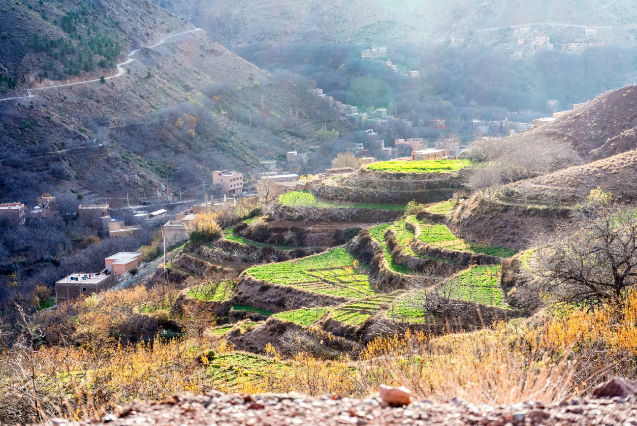
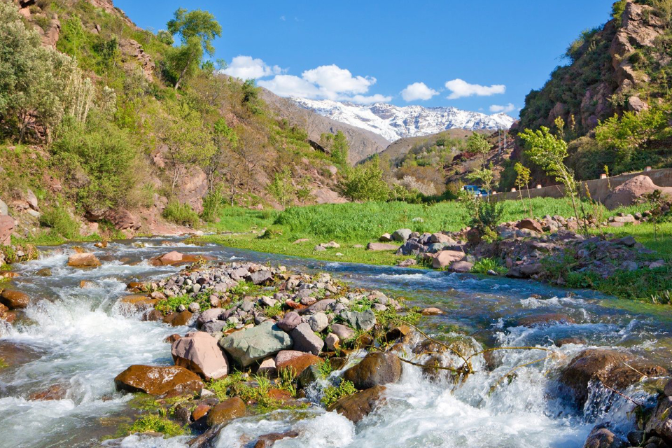
High Atlas Mountains (Imlil) — noticeably cooler than the plains, a popular summer escape for hiking.
Should you skip the desert in summer?
Not necessarily, but plan around the heat rather than through it: travel to and from the desert in early morning or late afternoon, avoid midday activity, and choose camps with proper shade and cooling. Some travelers prefer to shift a Sahara trip to spring or autumn and use summer for the coast and mountains instead — our Merzouga vs Zagora comparison can help you choose a route if you do go in summer.
Where to go for a comfortable summer trip
Essaouira — consistently breezy and mild, popular for exactly this reason in summer.
The Atlas Mountains around Imlil — cooler air and good hiking conditions.
Chefchaouen and the north — warm but less extreme than the deep south.
Agadir and the southern Atlantic coast — beach-focused and reliably breezy.
Our Essaouira travel guide covers this coastal option in more detail for anyone building a heat-conscious summer route.
Practical tips for coping with the heat
Drink more water than feels necessary, plan major sightseeing for early morning or after 5pm, seek shade and air conditioning through the hottest midday hours, and dress in loose, breathable, light-colored clothing. Riads with a pool or courtyard fountain become genuinely valuable in July and August, not just a nice-to-have.
Why some travelers still choose summer
Summer brings long daylight hours, lighter crowds at some inland sites compared to spring, and it's the only season that lines up with school holidays for many international families. It also coincides with Morocco's coastal high season, so book beach accommodation in Essaouira or Agadir well ahead. For regional climate data, see Wikipedia's climate of Morocco page, and compare against other seasons in our best time to visit Morocco guide.
Plan a heat-smart summer itinerary
A well-paced summer route balances inland highlights with coastal or mountain time, and timing matters more in summer than any other season.
Contact our team to plan a summer Morocco itinerary that works with the heat, not against it.
الأسئلة الشائعة
Inland cities like Marrakech and the Sahara Desert regularly exceed 40°C in July and August, while coastal cities like Essaouira and Agadir stay much milder, around 22-28°C.
It gets extremely hot during the day, but trips are still done in summer by scheduling activities for early morning and evening and avoiding the midday heat.
Essaouira and the Atlantic coast are the most comfortable summer destinations thanks to consistent sea breezes, along with the cooler High Atlas Mountains.
It can be, if you base the trip around the coast or mountains and schedule inland sightseeing for cooler morning and evening hours.
Coastal towns like Essaouira and Agadir get busy with domestic and international beach tourism, while some inland sites see slightly fewer visitors than in spring or autumn.
Lightweight, breathable, light-colored clothing, sun protection, and a reusable water bottle are essential, along with a light layer for cooler mountain evenings.