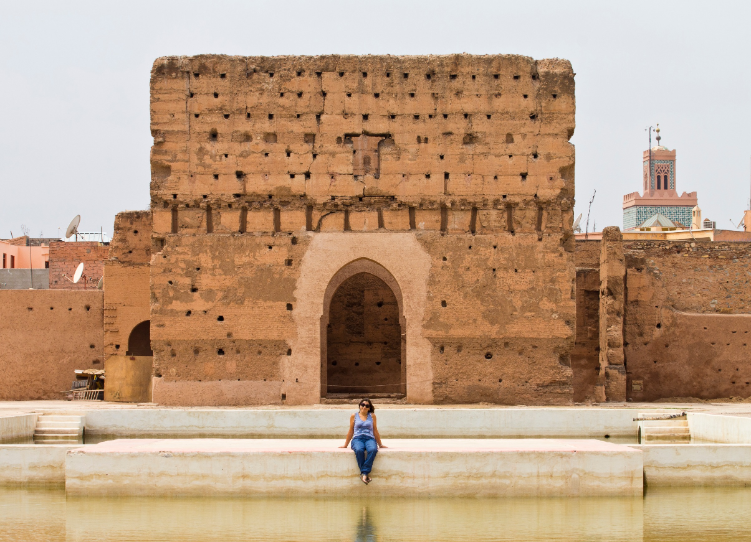
The best time to visit Morocco is April to May or September to October, when daytime temperatures are warm but comfortable, nights are cool rather than cold, and the Atlas Mountains and countryside are still green. These shoulder-season months avoid both the intense summer heat of the desert and interior cities and the short, sometimes rainy days of deep winter.
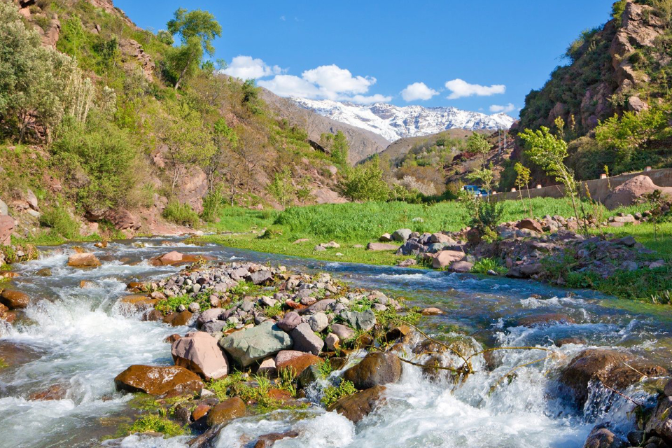
Spring is, for our money, the single best window for a first visit. March can still be cool and occasionally wet, especially in the north, but by mid-April the country settles into long sunny days with daytime highs typically in the low-to-mid 20s°C (70s°F) in Marrakech and Fez, and pleasantly warm rather than scorching conditions in the Sahara. The Atlas Mountains are still capped with snow in early spring, which makes for spectacular photos from Marrakech, and wildflowers carpet the valleys around Imlil and the Ourika Valley.
Summer suits coastal and mountain trips far better than desert or inland-city itineraries. Marrakech, Fez and the Sahara routinely see daytime temperatures above 38-40°C (100-104°F) in July and August, which can be genuinely exhausting for sightseeing on foot. Meanwhile Essaouira, Agadir and the Atlantic coast stay mild thanks to sea breezes, and the High Atlas towns like Imlil offer welcome relief at altitude. If summer is your only option, we generally steer clients toward a coast-and-mountains itinerary, or a desert visit timed for early morning and overnight camel trekking rather than midday activity.
September and October mirror spring: warm days, cool evenings, and the desert heat finally breaking after summer. This is a favorite window for Sahara trips in particular. Winter (November to February) brings Morocco's rainy season to the north and coast, and nights turn genuinely cold in the desert and mountains, sometimes dropping near or below freezing in Merzouga and the High Atlas. Days, however, are often still sunny and mild in Marrakech, making winter a good value season for city-based travel, provided you pack warm layers for the evenings.
| Month | Marrakech Days | Sahara Desert | Best For |
|---|---|---|---|
| January | Mild, ~18°C | Cold nights, near 0°C | City sightseeing, value travel |
| March | Warm, ~22°C | Mild days, cool nights | Early spring trips |
| May | Hot, ~28°C | Warm, comfortable nights | Best all-round month |
| July | Very hot, 38°C+ | Extreme heat, 45°C+ | Coast and mountains only |
| October | Warm, ~27°C | Ideal, mild days and nights | Desert tours, trekking |
| December | Mild, ~18°C | Cold nights, near freezing | City breaks, budget season |
If you already know roughly when you want to travel, it helps to plan around that season from day one — our guide to visiting Morocco in summer and our guide to Morocco in winter go deeper into what to expect and how to adjust an itinerary for each season. For official seasonal and regional travel information, the Moroccan National Tourist Office is a useful reference point.
Not sure which month fits your plans? Get a free custom quote and our team will help you pick dates and build an itinerary around the weather, festivals and crowd levels that matter to you.
April, May, September and October are generally considered the best months: warm, sunny days without the extreme summer heat, plus cooler but comfortable nights.
No. Coastal areas like Essaouira stay mild year-round, but inland cities and the Sahara swing from very hot summers (over 38°C/100°F) to cold winter nights.
You can, but daytime temperatures often exceed 40°C (104°F), so most travelers prefer October to April for desert camel treks and overnight camps.
December through February is coldest, with chilly desert and mountain nights, though Marrakech and coastal cities usually stay mild in the daytime.
Most rain falls between November and March, mainly in the north and Atlantic coast; the Sahara and southern regions stay largely dry year-round.
High-altitude trekking routes can be snowbound and require special gear from December to February; April to October is generally easier for hiking.
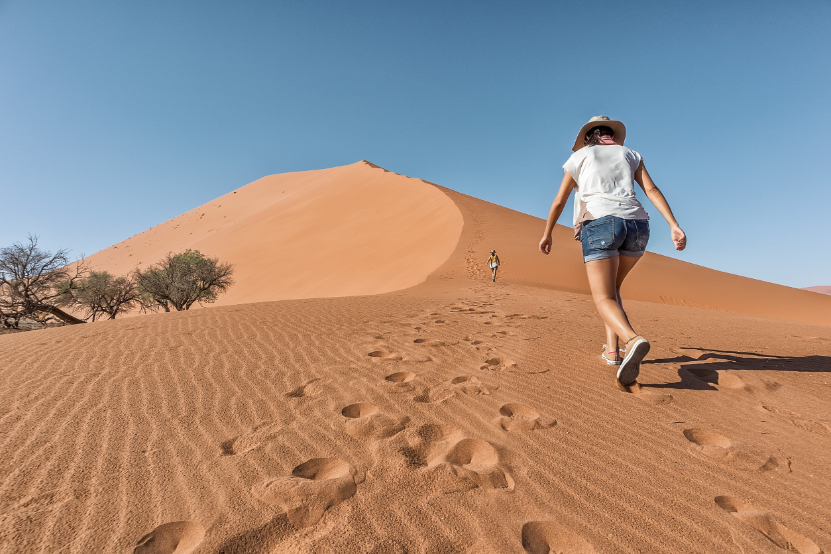 4-Day Private Sahara Tour from Marrakech: UNESCO sites, Dades Valley & Merzouga Desert
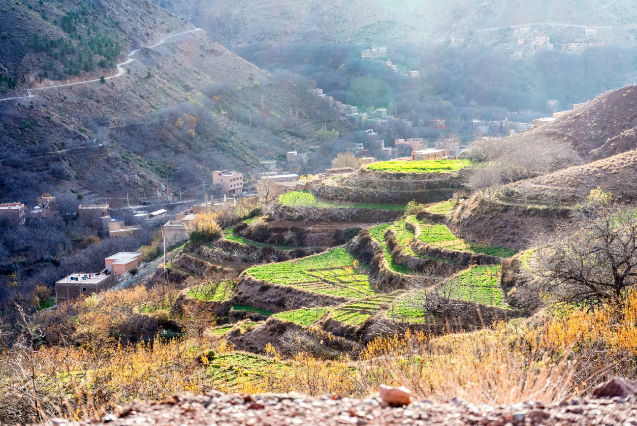 Atlas Mountains & Imlil Valley: Private Day Adventure
Tell us what you have in mind and we'll build a private itinerary around it.
Get a Free Quote