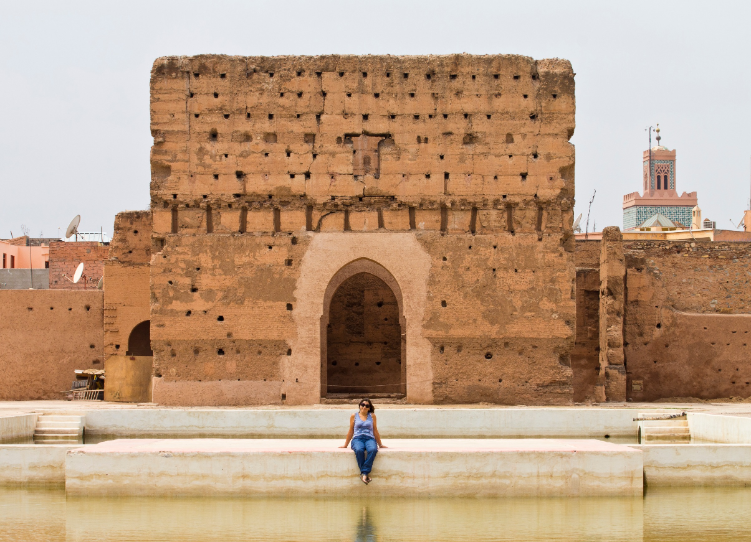
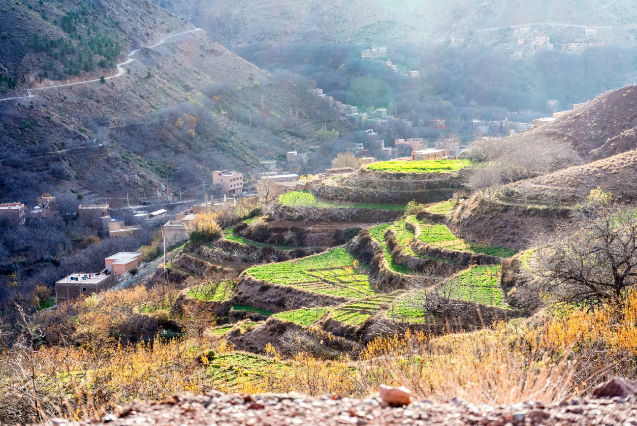
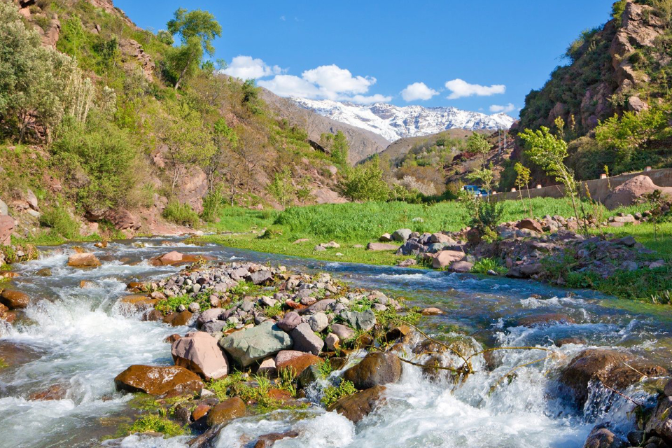
A complete Morocco packing list centers on lightweight, modest, layerable clothing, a warm layer for cold desert and mountain nights even in summer, comfortable closed-toe walking shoes, and a scarf or shawl useful for both mosques and sun protection. What you pack changes more by season and region within Morocco than most first-time visitors expect.
Morocco is a Muslim country and, while cities like Marrakech and coastal resorts are used to Western tourists, modest dress is appreciated and genuinely more comfortable when visiting mosques, medinas and rural villages. For both men and women, that generally means covering shoulders and knees; loose, breathable cotton or linen works far better than tight synthetic fabrics in the heat. A light scarf is one of the most useful single items you can pack — for sun protection, dust in the desert, and quick coverage when visiting religious sites.
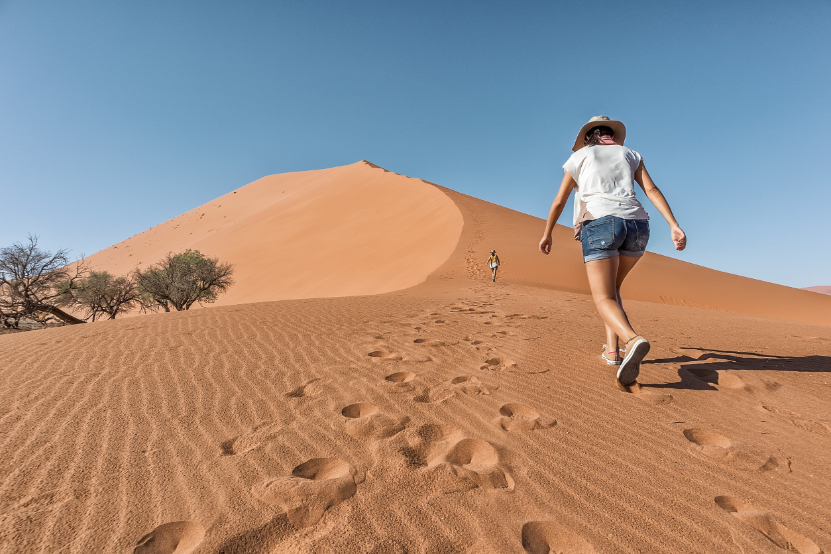
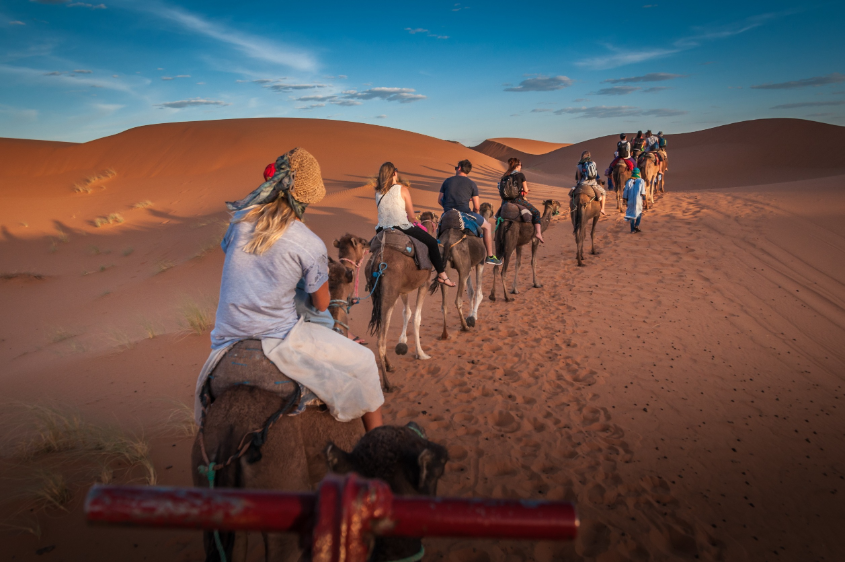
Desert temperatures swing dramatically: hot dry days, then genuinely cold nights, sometimes near freezing between November and February. Camps provide blankets, but a warm layer, closed shoes rather than sandals, sunglasses, and a headscarf or buff for windblown sand are all worth packing specifically for a Sahara overnight, regardless of what season you're visiting in.
Riads (traditional courtyard houses) often have tiled floors and limited central heating, so they can feel cold in winter evenings even when the daytime is pleasant; warm socks and a layer for indoors are genuinely useful from November to March. If your itinerary includes Imlil or day hikes in the High Atlas, sturdy trekking shoes, a warmer jacket and, in winter, gloves and a hat make a real difference at altitude.
| Item | Summer (Jun-Aug) | Winter (Nov-Feb) |
|---|---|---|
| Outerwear | Light scarf, sun hat | Warm jacket, gloves |
| Footwear | Breathable walking shoes | Closed shoes, warm socks |
| Desert nights | Light fleece still needed | Heavy layer essential |
| Sun protection | High SPF, sunglasses | Still recommended |
Packing correctly matters most on multi-day trips into the desert, where conditions change fastest — our camel trekking in the Sahara guide covers exactly what an overnight camp requires, and if you're traveling outside the warmer months, our guide to Morocco in winter goes further into cold-weather planning. For general country background while you plan, see the Wikipedia overview of Morocco.
Still unsure what your specific itinerary requires? Get a free custom quote and we'll send a packing checklist tailored to your trip.
No, headscarves are not required for tourists, including inside most mosques (which are largely closed to non-Muslims), though covering shoulders and knees is respectful in public.
Shorts are fine at hotel pools and beach resorts, but knee-length or longer is more comfortable and respectful in medinas, souks and rural areas.
Yes, even in summer, desert nights cool down significantly, and from November to February they can approach freezing, so a warm layer is essential year-round.
Comfortable, closed-toe walking shoes work best for uneven medina cobblestones, desert sand and mountain trails; sandals are fine only for pools and beaches.
Morocco uses the European-style two round-pin plug at 220V, the same as most of continental Europe, so UK, US and Australian travelers need an adapter.
Yes, we recommend carrying some euros or US dollars to exchange on arrival, since cash is still preferred in souks, taxis and smaller towns.
 Circuit Privé de 4 Jours dans le Sahara depuis Marrakech : Sites UNESCO, Vallée du Dadès et Désert de Merzouga
 Circuit privé de luxe au Sahara de 3 jours : de Marrakech au désert de Merzouga via la vallée du Dadès
Dites-nous ce que vous avez en tête et nous créerons un itinéraire privé autour de cela.
Obtenir un Devis Gratuit