The questions we hear most from first-time visitors to Morocco cover visas, safety, money, weather and what to pack — and the short answers are that most Western nationalities don't need a visa, Morocco is generally safe with normal precautions, dirhams are the only currency accepted, and spring or autumn are the best months to go. Below we've grouped the most common questions with direct answers.
Most travelers ask when to go and how long to stay first. The short version: April-May and September-October offer the best weather balance, and 7-10 days is the sweet spot for a first trip covering Marrakech and the Sahara. Visa requirements are visa-free for most Western nationalities for stays up to 90 days.
The dirham (MAD) is Morocco's only accepted currency and can't be obtained abroad, so plan to withdraw or exchange cash after arrival. A realistic daily budget ranges from about $50 for backpacker-style travel to $200+ per day for a comfortable mid-range trip with guided tours, and tipping (10-20 MAD for small services, roughly 10% at restaurants) is customary throughout the country.
Morocco is considered safe for tourists, including solo and family travelers, with the main real risks being petty scams and overcharging rather than violent crime. Tap water isn't recommended for drinking, no special vaccinations are mandatory for most nationalities, and travel insurance with medical coverage is strongly advised, as it would be anywhere.
Modest dress, polite refusal of unsolicited "guides," and asking permission before photographing people are the etiquette points that come up most. Friday afternoons can see some businesses close for prayer, and Ramadan shifts restaurant hours and daytime dining norms considerably if your trip overlaps with it.
| Question | Quick Answer |
|---|---|
| Language | Arabic and Berber (official); French widely spoken; English common in tourism |
| Currency | Moroccan dirham (MAD), closed currency |
| Plug type | European two-pin, 220V |
| Time zone | GMT/GMT+1 (varies seasonally) |
| Emergency number | 19 (police), 15 (ambulance/fire) |
If any of these areas still feel unclear, we've written full guides on each: our Moroccan food guide goes much deeper into what to eat and where, and our 10-day Morocco itinerary shows exactly how these logistics fit into a real trip. For a broader country overview, see Wikipedia's entry on Morocco.
Still have a question we haven't covered? Get a free custom quote and ask our team directly.
Arabic and Berber (Tamazight) are the official languages, French is widely used in business and education, and English is increasingly common in tourist areas.
Dial 19 for police or 15 for ambulance and fire services anywhere in Morocco.
Only its southern and southeastern regions touch the Sahara; the north and center feature mountains, cities and Atlantic coastline instead.
Morocco generally follows GMT/GMT+1 and has adjusted its clock-change policy in recent years, so it's worth double-checking the current offset close to your travel dates.
It's common in hotels, restaurants and tours in major tourist areas, though French and Arabic remain more useful in smaller towns.
Yes, alcohol is legally available to tourists in licensed hotels, restaurants and some shops, though it's less visible in local, traditional establishments.
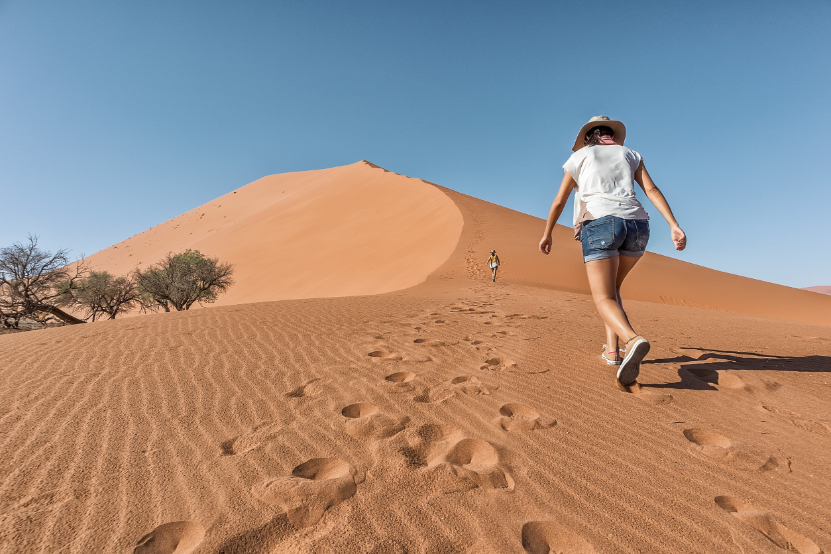 4-Day Private Sahara Tour from Marrakech: UNESCO sites, Dades Valley & Merzouga Desert
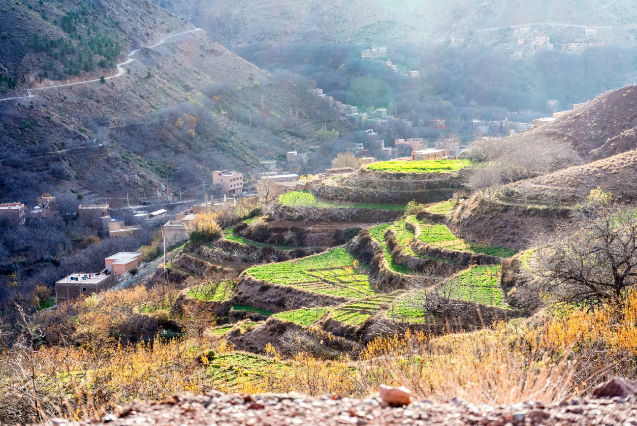 Atlas Mountains & Imlil Valley: Private Day Adventure
Tell us what you have in mind and we'll build a private itinerary around it.
Get a Free Quote