Morocco in winter (December-February) means mild, sunny days in the 15-20°C range along the coast and in cities like Marrakech, genuinely cold nights in the Sahara that can drop close to freezing, and real snow in the High Atlas mountains — so the trip works well with the right layers packed, but it is not a warm-weather beach holiday everywhere at once.
What winter actually feels like by region
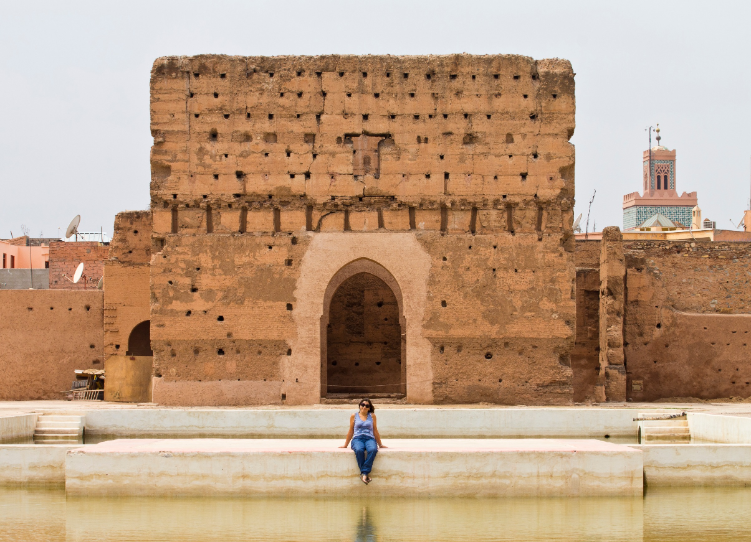
Marrakech and the south — pleasant, sunny days around 18-20°C, cooler evenings; a light jacket covers most of the day.
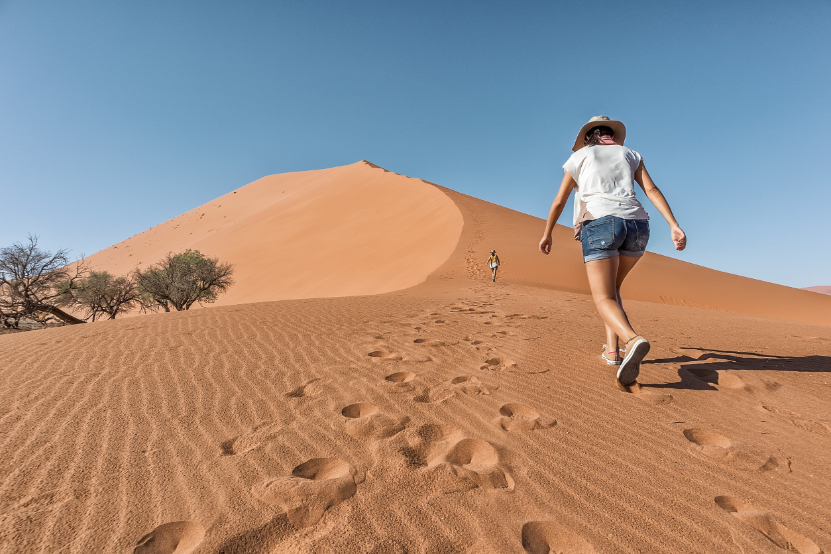
Sahara Desert (Merzouga, Zagora) — warm-ish days but nighttime temperatures can fall close to or below freezing; this is the detail that catches the most travelers off guard.
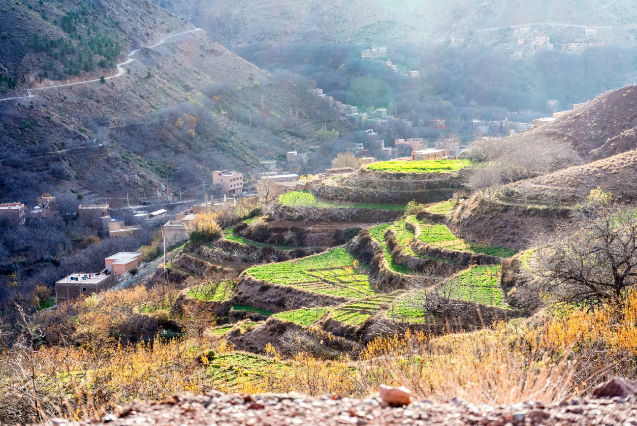
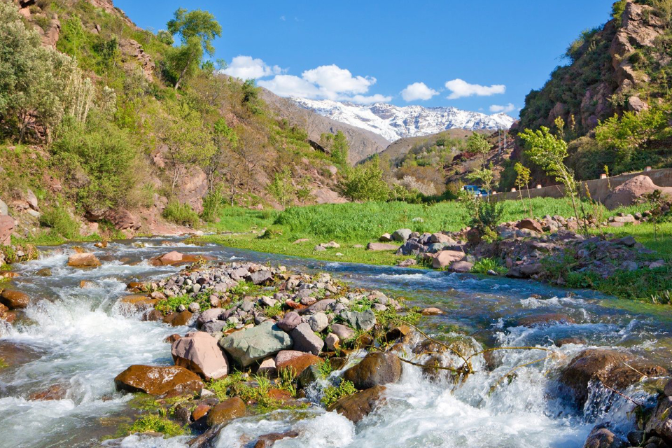
High Atlas Mountains (Imlil, Toubkal region) — genuine winter conditions, with snow on peaks and passes from December through March.
Coastal cities (Essaouira, Casablanca, Rabat) — mild but breezy, with more rain days than inland cities.
Fes and Chefchaouen — cooler than Marrakech, with occasional rain and chilly evenings.
What to pack
Layers you can add and remove through the day — a t-shirt, a warm mid-layer, and a proper insulated jacket for desert nights.
A hat, gloves and thermal layer if you're doing an overnight desert camp between December and February.
A light rain shell, particularly for the north and coast.
Comfortable closed shoes, since evenings and mornings can be genuinely cold.
See our general Morocco packing list for the full checklist beyond winter-specific items.
Where winter is a particularly good idea
Winter is actually one of the best times to hike in the Atlas Mountains around Imlil, with crisp air and dramatic snow-capped views, as long as you're prepared for cold rather than heat. It's also a comfortable season for city-focused itineraries in Marrakech, Fes and Rabat, since the summer heat that can make sightseeing tiring is entirely absent.
Where to be more careful
An overnight desert camp in December or January without proper layers is the most common winter regret travelers report — daytime warmth is deceptive, and desert nights genuinely require serious layering. Mountain roads and passes can occasionally close after snowfall, so build flexibility into itineraries that rely on crossing the Atlas.
Winter events and crowd levels
Winter, outside the December holiday period, is a quieter season with better hotel availability and lighter crowds at major sights compared to spring and autumn. The December holiday weeks are a notable exception and book up well in advance. For a month-by-month comparison across the whole year, see our best time to visit Morocco guide, and Wikipedia's climate of Morocco page for regional climate detail.
Plan your winter trip
Winter itineraries benefit from careful planning around desert nights and mountain routes, which our team builds around properly, layer by layer.
Contact our team to plan a winter Morocco itinerary suited to the season.
الأسئلة الشائعة
It varies by region: cities like Marrakech stay mild and sunny during the day, while Sahara desert nights and the High Atlas mountains get genuinely cold, even below freezing at times.
Yes, the High Atlas Mountains regularly receive snow from December through March, and mountain passes can occasionally close after heavy snowfall.
Yes, if you pack proper warm layers for the night. Desert days are often pleasantly warm, but temperatures can drop close to freezing after sunset.
Pack layers: light clothing for daytime, a warm mid-layer and insulated jacket for evenings, plus a hat and gloves for any overnight desert or mountain stay.
Yes, outside the December holiday weeks, winter tends to have lighter crowds and better hotel availability than spring or autumn.
Marrakech, Agadir and the southern coastal areas tend to have the mildest, sunniest winter days compared to Fes, Chefchaouen or the mountains.