Yes, Morocco is generally safe for tourists: violent crime against visitors is rare, and millions of foreign travelers visit every year without incident. The main real risks are petty theft, persistent touts and overcharging scams in tourist areas, not personal danger, and a little preparation goes a long way.
Most Western governments rate Morocco as a country requiring "normal precautions," the same tier as much of Western Europe, occasionally flagging specific regions near the Algerian border or the Western Sahara for restricted travel. Violent crime rates for tourists are low, and dedicated tourist police units in major cities exist specifically to assist visitors with disputes, theft reports or harassment. As with any major destination, common sense around bags, pickpockets in crowded souks, and late-night solo walks in unlit areas still applies.
Morocco is a popular solo travel destination, including for solo women, though unwanted attention and street commentary in medinas is the most commonly reported issue rather than serious crime. Dressing modestly, walking with purpose, and choosing well-reviewed riads in central, well-lit areas all reduce friction noticeably. Families traveling with children are generally very well received; Moroccan culture is warm toward kids, and most riads and restaurants happily accommodate them.
Tap water is not recommended for drinking; stick to bottled or filtered water, which is cheap and widely available. Street food is a highlight of Moroccan travel and generally safe from busy, high-turnover stalls, though it's wise to start gradually if your stomach is sensitive. No special vaccinations are mandatory for most nationalities, though routine vaccinations and a basic travel insurance policy with medical coverage are strongly recommended, as they would be for any international trip.
The biggest practical safety factor for most visitors is road travel, not crime. Mountain and desert roads can be narrow and winding, and driving standards vary. We strongly recommend a private driver or organized transport for long routes such as Marrakech to Merzouga, rather than self-driving after dark or renting a car without prior experience of Moroccan roads.
| Area | Safety Level | Main Consideration |
|---|---|---|
| Marrakech Medina | Safe, busy | Pickpockets, touts, bargaining |
| Sahara Desert Camps | Very safe | Cold nights, sun exposure |
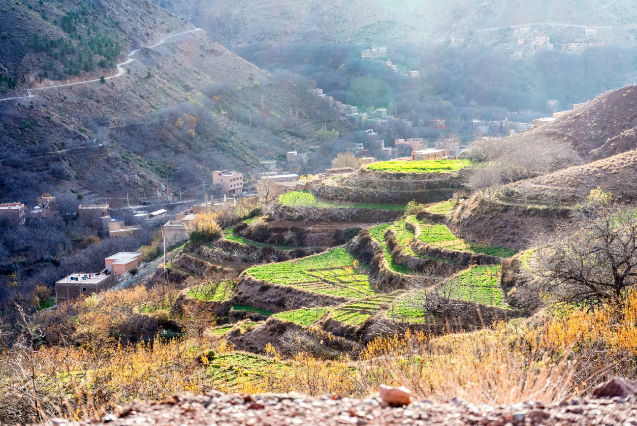
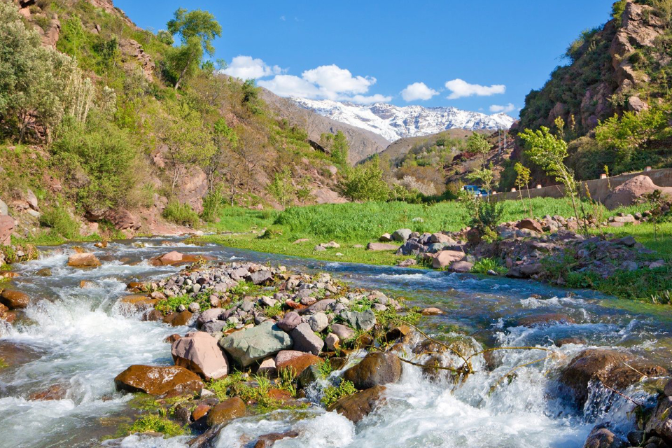
| Atlas Mountains | Safe with guide | Weather, trail conditions |
| Casablanca/Rabat | Safe, modern cities | Standard city precautions |
Solo women in particular often ask us how to plan around these considerations; our solo female travel guide to Morocco covers this in detail, and families should also see our guide to visiting Morocco with kids. For up-to-date official guidance, it's always worth checking your home country's foreign travel advisory, such as the UK government's travel advice, before you go.
Want a trip built with safety and comfort in mind from the start? Get a free custom quote and tell our team about your travel style.
The main squares and busy medina streets are generally fine, but we recommend sticking to well-lit, populated routes and taking a taxi back to quieter riads late at night.
Yes, thousands of women travel solo in Morocco safely every year; the main issue reported is persistent attention from touts rather than serious crime, and modest dress helps reduce this.
It isn't legally required but is strongly recommended, since it covers medical treatment, trip cancellation and lost luggage, none of which are covered by Moroccan public healthcare for foreigners.
No major wildlife dangers exist; the real risks are sun exposure and cold desert nights, both easily managed with proper clothing and hydration.
We recommend bottled or filtered water throughout your trip, as tap water can cause stomach upset for visitors even where it's technically treated.
The land border with Algeria is closed and most standard tourist routes (Marrakech, Fez, Sahara, coast) don't go near it; we avoid routing clients through restricted border zones.
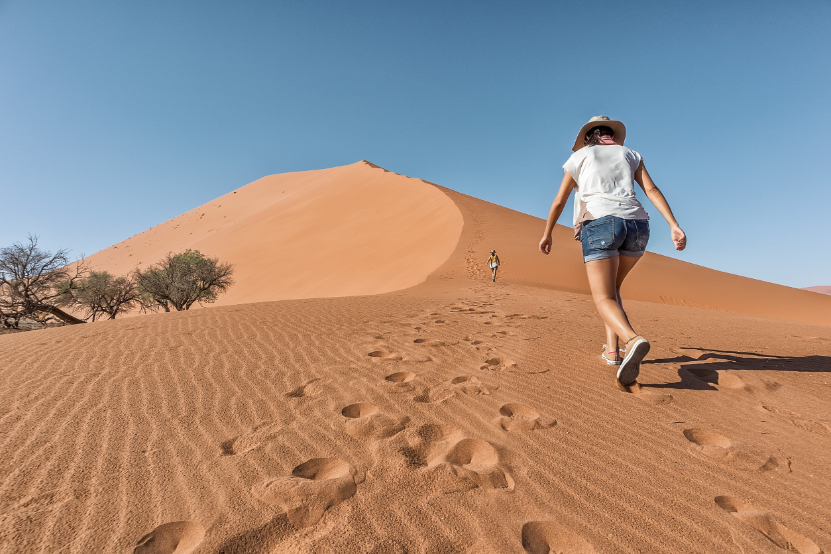 Circuit Privé de 4 Jours dans le Sahara depuis Marrakech : Sites UNESCO, Vallée du Dadès et Désert de Merzouga
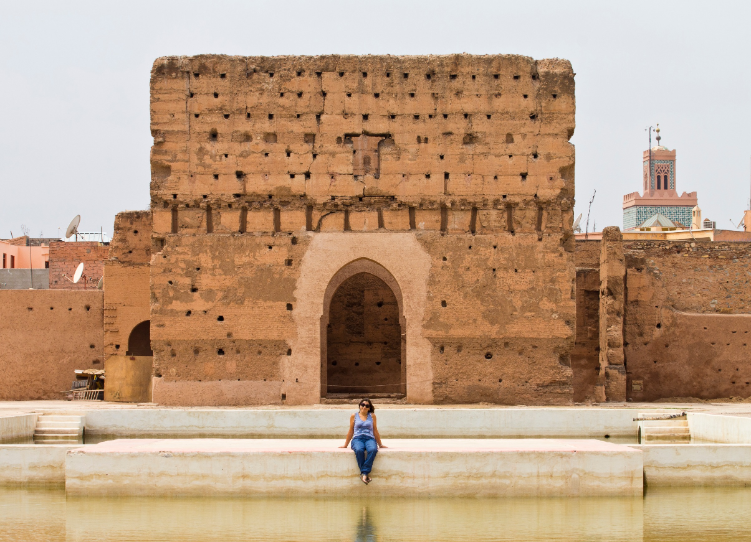 Marrakech en une journée : visite culturelle guidée privée de la ville
Dites-nous ce que vous avez en tête et nous créerons un itinéraire privé autour de cela.
Obtenir un Devis Gratuit